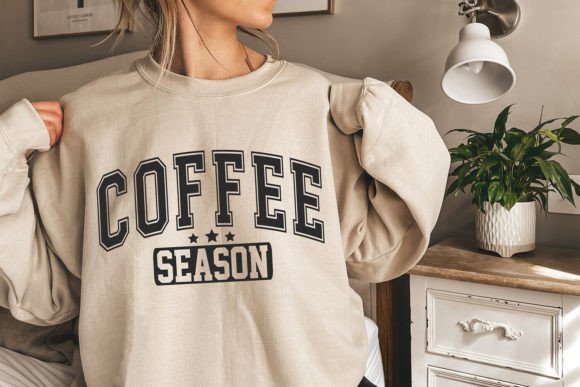
A Designer's Honest Review of the Coffee Season Embroidery Design
That First Warm Mug of Creative Inspiration
When you open a new embroidery file, it’s that first visual impression that tells you whether it’s going to be a smooth, rewarding project or a tricky one that needs constant tweaking. Opening the Coffee Season SVG bundle, I immediately got a sense of a warm, approachable theme. The layout isn’t overly crowded, and the shapes feel friendly—it’s less about stark, graphic coffee beans and more about a welcoming, seasonal coffee vibe. This is a design that creates a mood, not just a literal image. That personality is crucial. As an embroidery designer, I’m thinking: will this stitch out with the same charm? For a craft business, will it convey a feeling customers want to wear or gift?
Where This Design Finds Its Natural Home
The Coffee Season SVG design isn’t a one-size-fits-all graphic. Its strength lies in its thematic appeal. I picture it embroidered on a cozy, washed-cotton sweatshirt for a small shop’s autumn collection. It would be perfect on the corner of a linen tea towel, turning a simple kitchen item into a boutique product. For a personalized gift, imagine it on a canvas tote bag for a coffee-loving friend—it’s that kind of relatable, everyday luxury. In baby clothes or nursery decor? Perhaps scaled down on a blanket corner, it becomes a sweet, subtle motif. The key is that it feels like an accent, a decorative touch, rather than a bold, central statement. This makes it versatile for apparel decorators and creative entrepreneurs looking for designs that enhance a product without overpowering it.
The Real-Life Embroidery Scenario: A Custom Embroidered Tote
Let’s walk through a real case. I’m considering this design for a series of custom embroidered tote bags for a local craft fair. My first step is always a test on scrap fabric—in this case, a medium-weight canvas. The Coffee Season SVG’s detail level is promising; it doesn’t look overly dense with tiny elements that might blend into a muddle of stitches. However, I’m immediately thinking about thread color contrast. On a light fabric, a rich brown or deep green for the coffee elements would pop. On a dark fabric background, I’d need to plan a lighter, contrasting palette for clarity. This is where having the PNG and JPG files as visual references is invaluable for planning before I even load the embroidery file into my machine.
Navigating the Practical Stitching Landscape
In real-life embroidery situations, a design’s artwork is only half the story. How it translates into stitches is what affects customer trust and product value. For the Coffee Season design, I’d pay close attention to any small lettering or intricate decorative accents if they’re present. On curved surfaces like caps, those details could become challenging. Stitch density is a silent factor; too dense on a thin fabric like a t-shirt can cause puckering, too light might look unfinished. This design, from its visual personality, seems suited to a moderate fill stitch for the main elements, with potential for nice satin stitch borders if the shapes are clean. Always, always use a proper stabilizer suited to your fabric—it’s the unsung hero of professional-looking handmade presentation.
For products that need frequent washing, like baby items or kitchen towels, the design’s integrity matters. I’d check that any small, isolated elements are stitched securely to avoid snagging. The overall layout of the Coffee Season SVG appears cohesive, which helps with durability. When you’re selling finished products, whether on Etsy or at a craft fair, this durability translates directly to brand consistency and positive buyer engagement. A customer receiving a well-stitched, lasting item is far more likely to return.
Spots Where a Careful Approach is Needed
Every design has its sweet spots and its caution zones. With this coffee-themed bundle, I’d be careful using it in very small hoop sizes. Shrinking a thematic design too much can lose its mood and make details indistinct. Textured fabrics, like a nappy sweatshirt material, can obscure finer lines, so a simpler version of the design might be better there. Similarly, on stretchy fabric, the design’s overall footprint should be considered to maintain shape. Dark fabrics, as mentioned, require a deliberate thread strategy for visual appeal. And for layered garments with seams or pockets, positioning the embroidery away from complex construction areas ensures stitching clarity.
Notes from the Worktable: Before You Hoop the Fabric
A few practical embroidery designer notes I’d jot down for this project:
- Test the Coffee Season embroidery file on a scrap of your target fabric first. This reveals everything about stitch density and detail clarity.
- Review the small details in the provided file formats. The SVG, EPS, and AI files are for your machine software, but the PNG and JPG are perfect for checking artwork in black and white mockups or for creating digital product previews for your shop.
- Confirm your hoop size can accommodate the design comfortably. An overcrowded hoop leads to alignment issues.
- Compare how it looks on light and dark fabric backgrounds by creating simple digital mockups. This helps plan product lines.
- Most importantly, check the licensing terms included with your download. Before selling finished items like embroidered patches, pillow covers, or commercial embroidery projects, confirm it’s permitted for commercial use. This protects your craft business and your professionalism.
The Final Stitch: Value Beyond the Digital File
Ultimately, an embroidery design like Coffee Season SVG, Coffee SVG, Coffee PNG is more than a set of graphics; it’s a potential product. Its value is realized in how it elevates a simple item. On a holiday gift apron, it adds a personalized touch. On a small shop’s sweatshirt, it becomes part of a brand’s story. For digital product sellers, these files are assets for creating printable mockups and previews that attract customers. The design’s giftability and recognition come from its warm, thematic focus—people connect with it. As a designer reviewing it for real project use, my judgment is that it has a strong foundation for creating appealing, professional-looking handmade products, provided you apply those practical embroidery principles. It feels like a design that, with careful execution, will leave both the maker and the customer feeling satisfied—like a good cup of coffee.